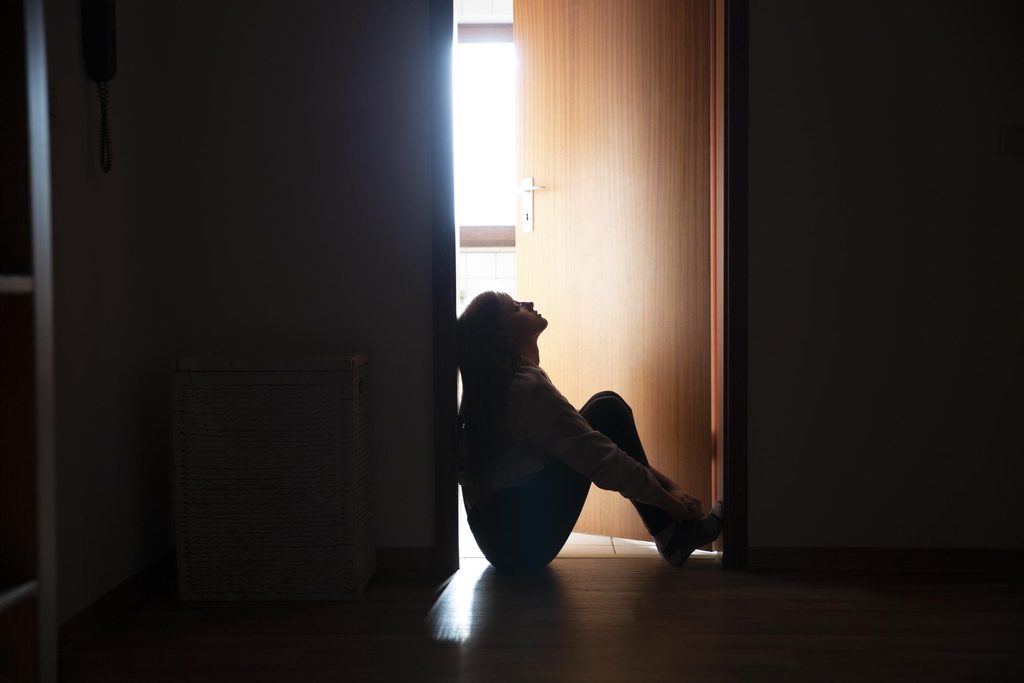
“I watched as my father abused my mother every night when I was little. I saw how my father beat my mother with a brick, stabbed her, and kicked her in the stomach until she couldn’t move. I witnessed my mom lying in a pool of blood while my father raged like a sick animal. My father hit me too. Today I smoke dagga to help me – some days I wish I could just die” Annabel, aged 15
Behind the eyes of some teenagers lies childhood filled with pain, fear, and experiences no child should ever have to endure.
When a child suffers severe abuse, the damage does not simply disappear as they grow older. Sometimes, the wounds become even more visible during adolescence, a time when young people are already struggling to understand who they are, where they belong, and how they fit into the world.
A teenager who has experienced abuse may struggle to trust others, manage their emotions, or feel safe in relationships. They may become angry, withdrawn, defiant, anxious, or emotionally distant. Some push people away before they can be hurt again, while others desperately seek love, reassurance, and acceptance. Some may appear mature beyond their years, while inside they still carry the frightened feelings of the child they once were.
Their brains and emotional development have been shaped by experiences that taught them the world was unsafe. What looks like bad behaviour may sometimes be a response to fear, shame, or overwhelming emotions they do not yet have the words to explain. They may struggle with boundaries, self-worth, identity, and regulating their feelings. Not every teenager responds in the same way, and trauma does not define a young person’s future.
Perhaps one of the hardest things to understand is that these teenagers are often judged for the very behaviours that helped them survive their childhoods. They are labelled difficult, attention-seeking, disrespectful, or troubled, when what they may need most is understanding, stability, patience, and compassionate support.
They are not broken children who have become broken teenagers. They are young people who have been hurt, and who deserve the opportunity to heal.
Healing takes time. It takes safe adults who listen without judgement, boundaries that provide security rather than fear, and relationships that show them love does not have to come with pain. Professional, trauma-informed support can also help them make sense of their experiences and develop healthier ways of coping.
We cannot change what happened to these children in their early years. But we can change how we respond to them now.
Sometimes, the teenager who seems hardest to reach is the one who most needs someone to stay, listen, and remind them that what happened to them was never their fault.
Every child deserves a childhood free from abuse. Every teenager deserves to be seen beyond their behaviour. And every young person deserves the chance to discover that their past does not have to determine their future.
*Not her real name